
Nine Facts About ZooAmerica Animals in Winter
North American Wildlife Adaptations to Survive the Central Pennsylvania Cold
For many North American animals, the seasonal change from vibrant fall leaves to the stark beauty of winter snow triggers remarkable adaptations essential for survival. Residents of Central Pennsylvania and visitors exploring the sweet town of Hershey, Pa., this winter have a unique opportunity to witness these adaptations firsthand at ZooAmerica North American Wildlife Park. At the 11-acre zoo in the heart of Hershey, guests can see the animals up close and learn how they modify their behaviors, diets and even their physiology to successfully navigate the challenges of the colder months.
ZooAmerica is open daily from 10 a.m. to 4:30 p.m. throughout the winter season for a fun and educational outing to beat cabin fever. Before stepping into the zoo, explore these nine facts about the winter habits of North American animals, which may surprise even the most seasoned wildlife enthusiast.
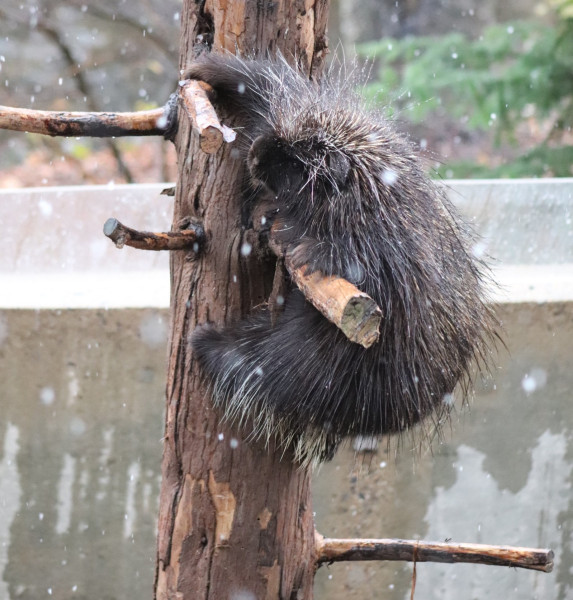

1. Porcupines may use the same den for their entire life.
The North American porcupine is largely an asocial creature, typically spending its life in solitary pursuit of food and shelter. However, porcupines will congregate in communal dens when the cold weather becomes particularly severe or prolonged, a behavior known as "denning." These dens are often natural formations, such as rock crevices, caves, hollow logs or abandoned burrows, that provide solid insulation and protection from predators and the elements. Some dens are so well-made that many different porcupines will occupy them, not just for a single season, but across many decades.
Viewing Tip: The two porcupines at ZooAmerica, Carmine and Juniper, spend lots of time in their dens during the winter months. Visitors should still be able to spot some quills, as they have about 30,000 of them!

2. Wild black bears can sleep for 100 days without needing to wake up.
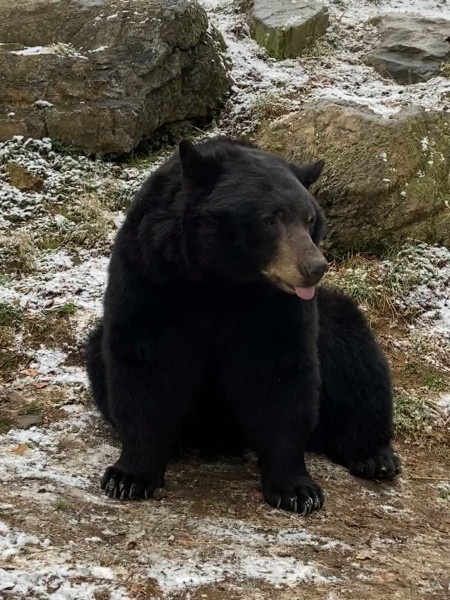
Black bears are not considered "true hibernators" in the same way as some other species. Instead, they engage in a survival strategy known as "denning" like porcupines, driven largely by the severe shortage of food resources. During denning, the bear’s physiological functions slow down dramatically. For example, the heart rate can plummet to an astonishingly low rate—sometimes registering as low as eight beats per minute.
Viewing Tip: Chief, the black bear at ZooAmerica, does not need to undergo the rigors of denning because he is provided with a consistent and reliable diet year-round. Nevertheless, he does tend to spend significantly more time sleeping and moving in what the ZooAmerica naturalists often describe as a "slow-motion" manner. Visitors should keep an eye out for Chief in the big tube in his habitat or the rock cave next to it, where he often dens this time of year.

3. A healthy alligator snapping turtle can survive under the ice for over 100 days.
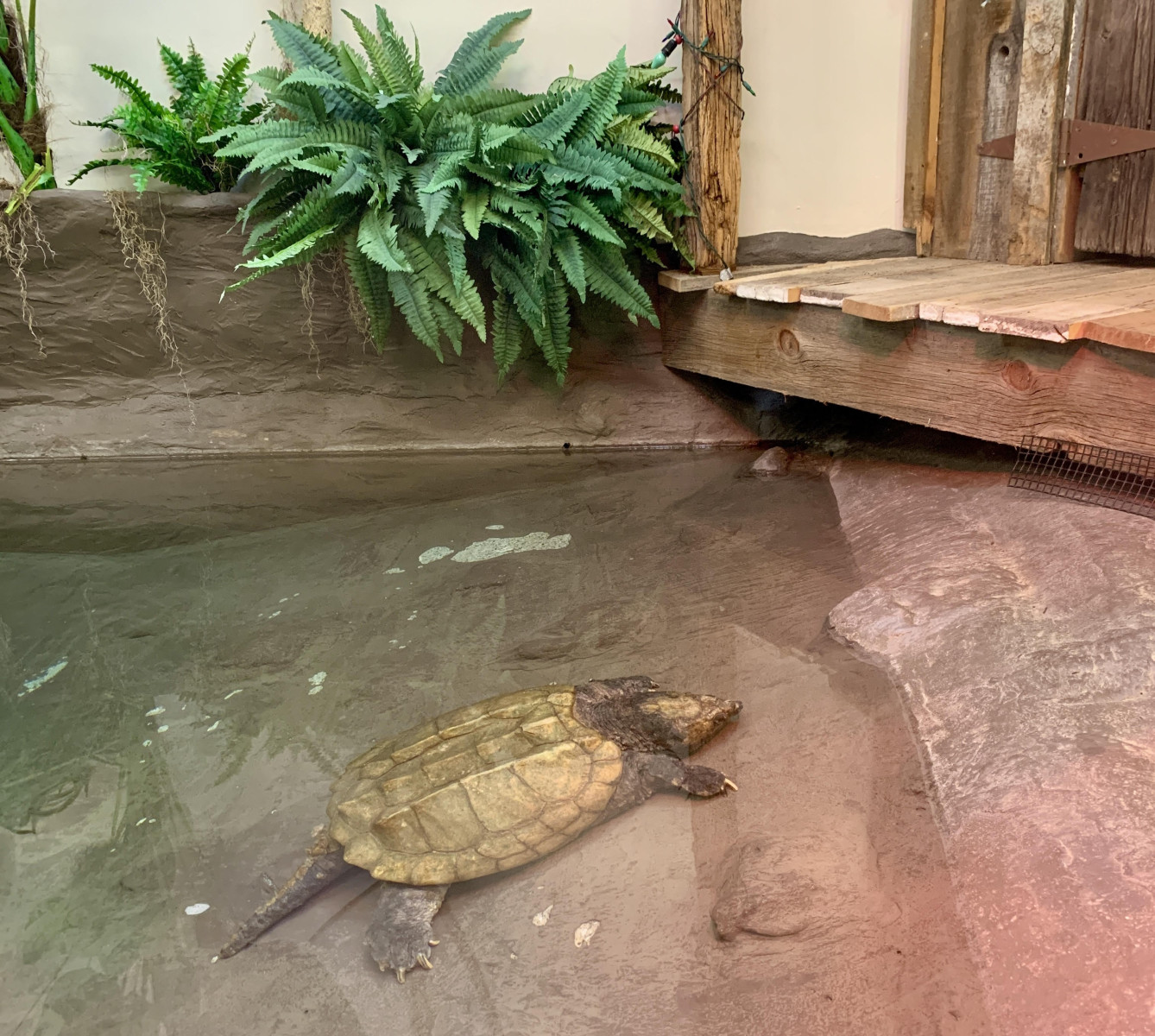
The phenomenon of alligator snapping turtles residing under the ice during the winter is an example of nature's ingenuity. As water temperatures drop below a certain threshold, a healthy adult turtle enters a state of near-total physical shutdown, known as brumation. During this period, almost all bodily functions cease or slow to a crawl, except for the light sensors in their eyes. These specialized photoreceptors can register an increase in light combined with the rise in temperature above the ice, which indicates that springtime has arrived. This is the signal for the turtle to "turn their body on again” and come to the surface to breathe.
Viewing Tip: Louise, the alligator snapping turtle at ZooAmerica, lives in an indoor habitat in the Southern Swamps building. She spends a lot of time in the water, either submerged or with her head just above the surface - even though there is no ice!
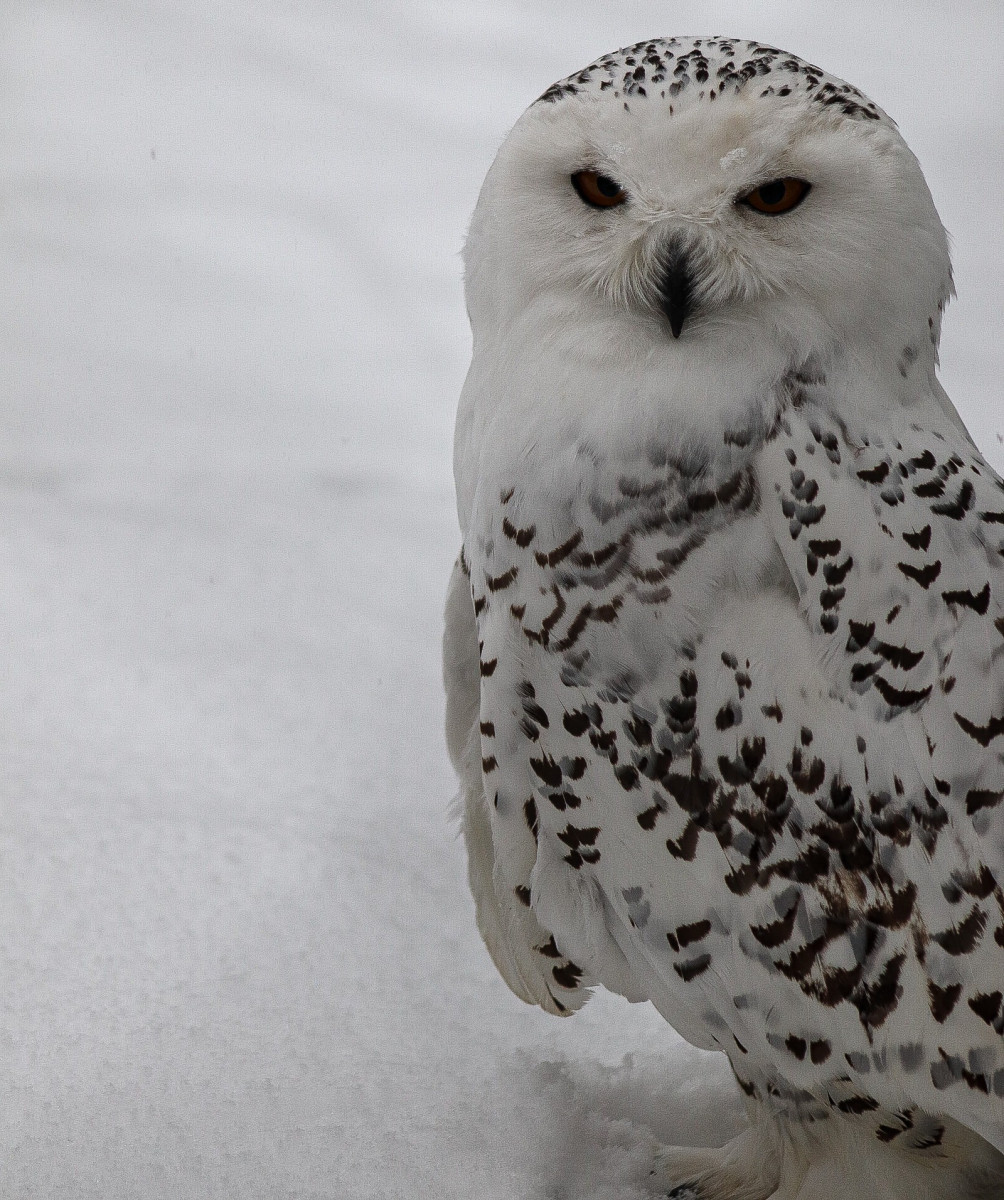
4. Snowy owls have feathers down to their toes.
The snowy owl possesses an adaptation that distinguishes it from most other owl species: dense feathering that extends all the way down to its talons. While the feet of many owl species are bare or sparsely feathered, the snowy owl's legs and feet are covered in thick feathers. This plumage not only provides exceptional insulation against sub-zero temperatures and snow but also helps the owl maintain a stable body temperature during prolonged periods of hunting on frozen ground or icy perches.
Viewing Tip: Since snowy owls are birds of the treeless tundra, the two owls at ZooAmerica spend a lot of time on the ground.
5. Not all elk need to migrate.
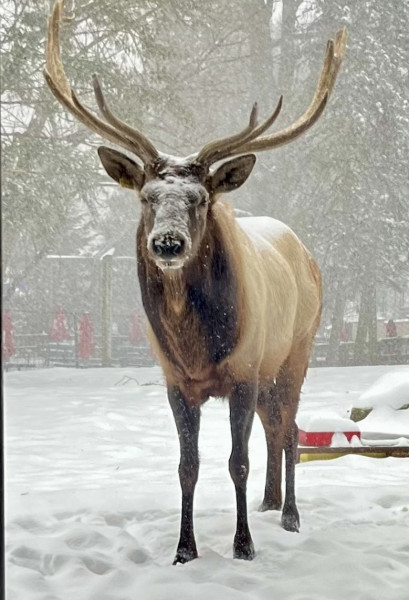
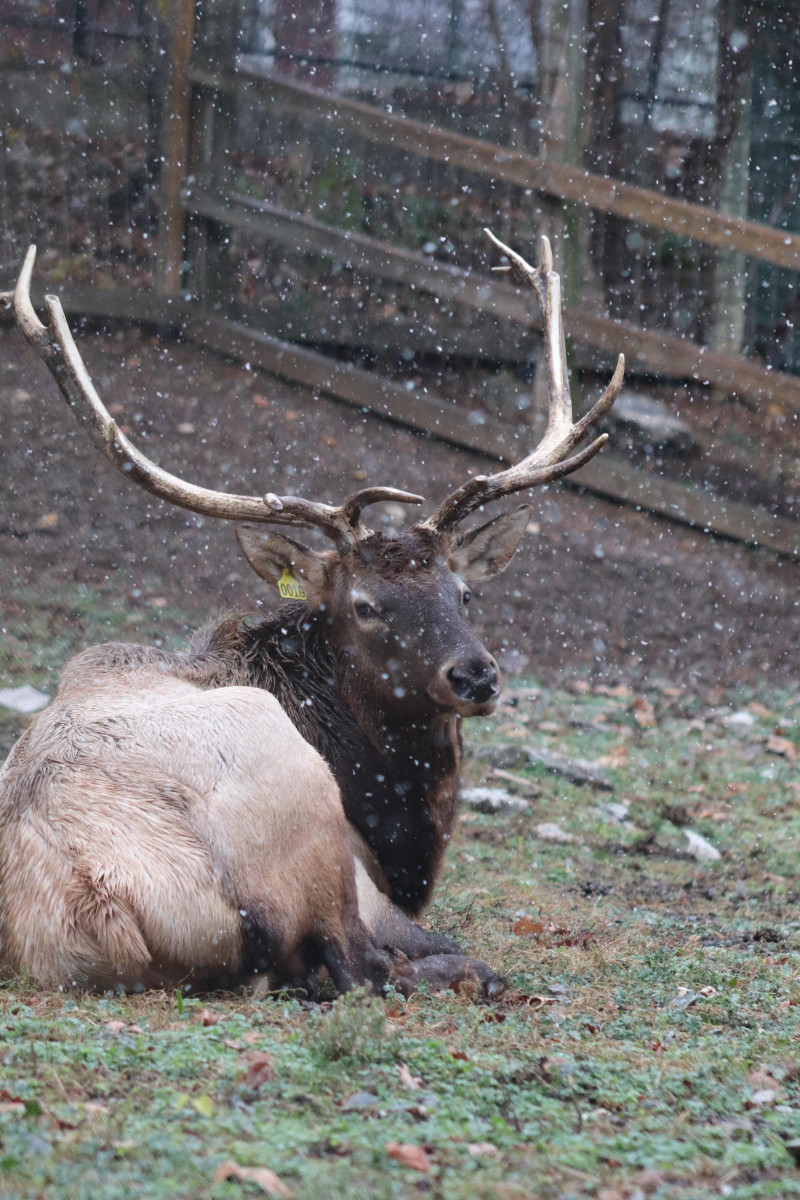
The Greater Yellowstone Ecosystem (GYE) is known for its dramatic winter migrations, where tens of thousands of majestic elk descend from high-altitude summer ranges to lower elevations. This movement is a critical survival strategy, allowing the elk to escape the deep snow and find areas with a more accessible food supply. However, Pennsylvania does not typically receive the same volume of persistent snow as the GYE, which means the state's elk herds can generally find sufficient food resources throughout the entire year without the need for long-distance migration. To prepare for the cold, the elk rely on the growth of an exceptionally thick coat of fur to keep them warm even on the chilliest days.
Viewing Tip: While the elk at ZooAmerica have a barn for a comfortable retreat from the elements, they often choose to embrace the snow. John Henry and Phoebe can frequently be observed laying contently outside, even during a snowfall.
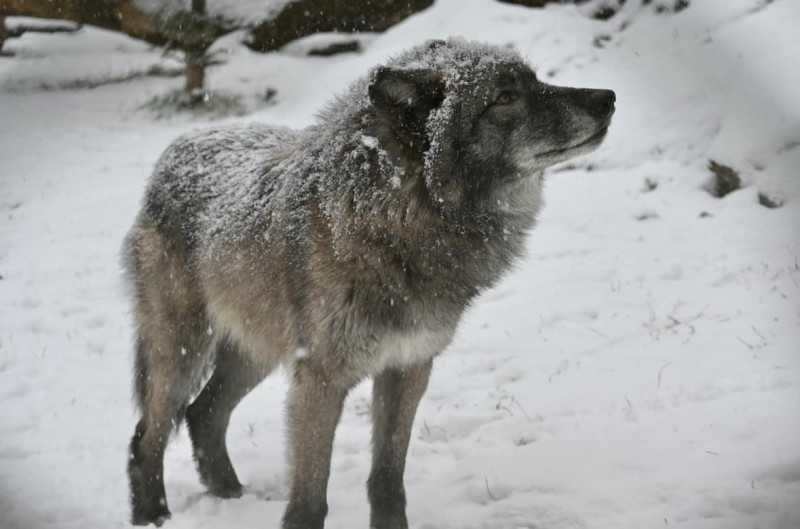
6. Gray wolves will use their tail to cover their nose.
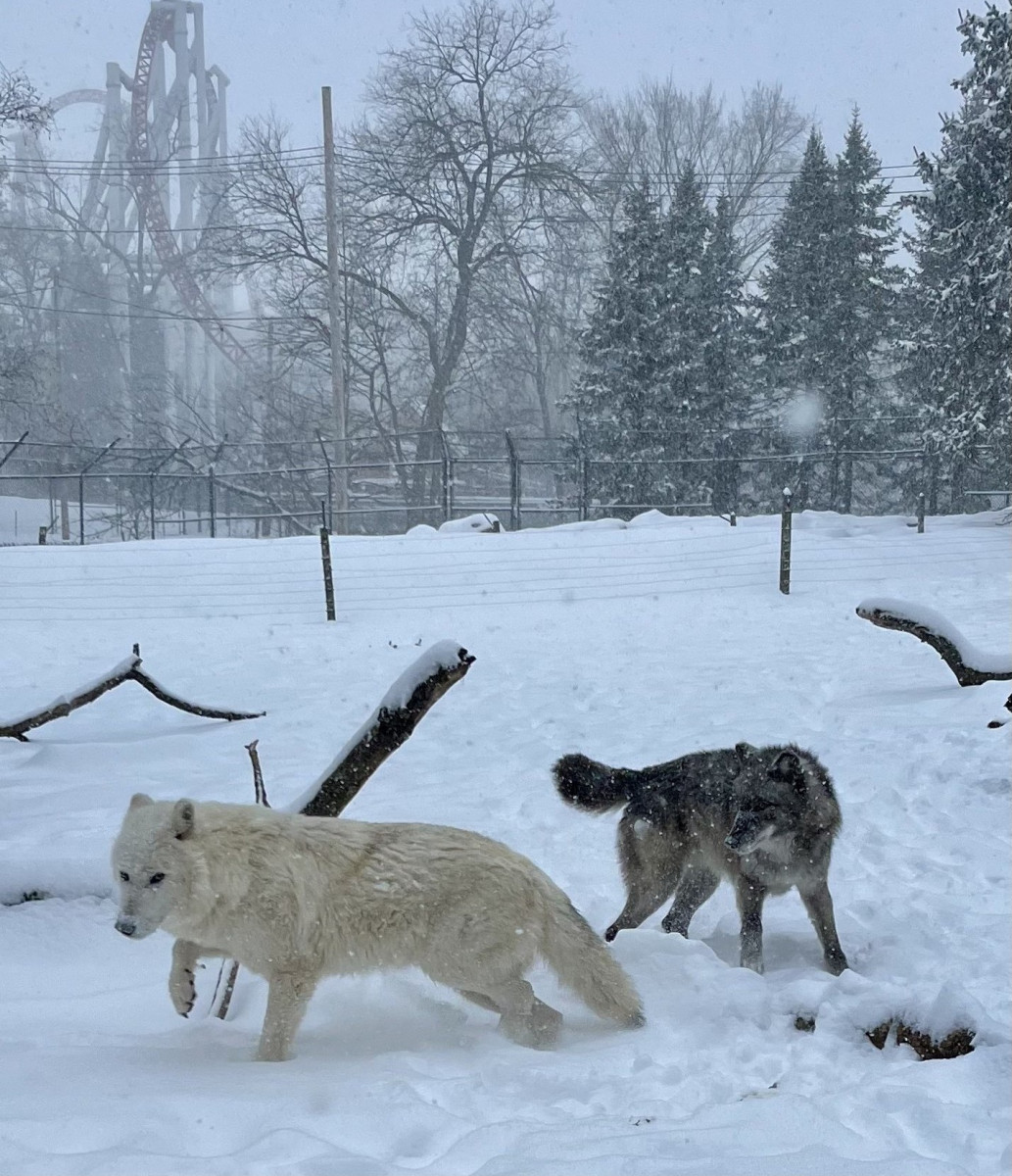
Gray wolves exhibit an effective behavioral adaptation to survive bitter winter cold: they will curl up tightly into a ball, strategically using their dense, bushy tail to cover their nose and sometimes their feet like an insulated scarf. This seemingly simple position is a mechanism for conserving critical body heat.
Gray wolves also rely heavily on the strength of their social structure to endure winter. When temperatures plummet, they will huddle and lay close together with other members of their pack.
Viewing Tip: There are three gray wolves in the pack at ZooAmerica. They are often more active during the winter months, often seen running around their habitat, especially at the top of the fence line.
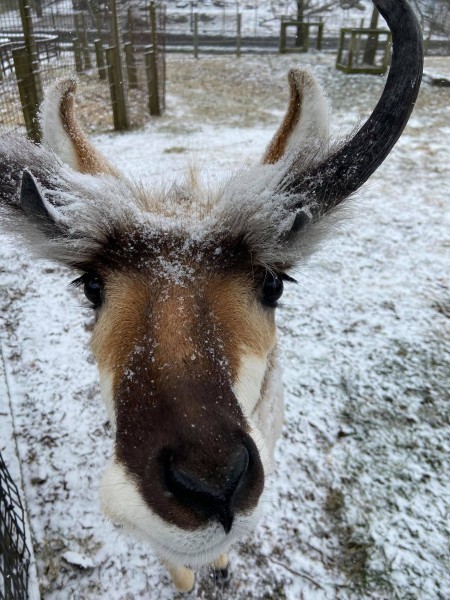
7. Pronghorn herds in Wyoming have the longest land migration in the continental U.S.
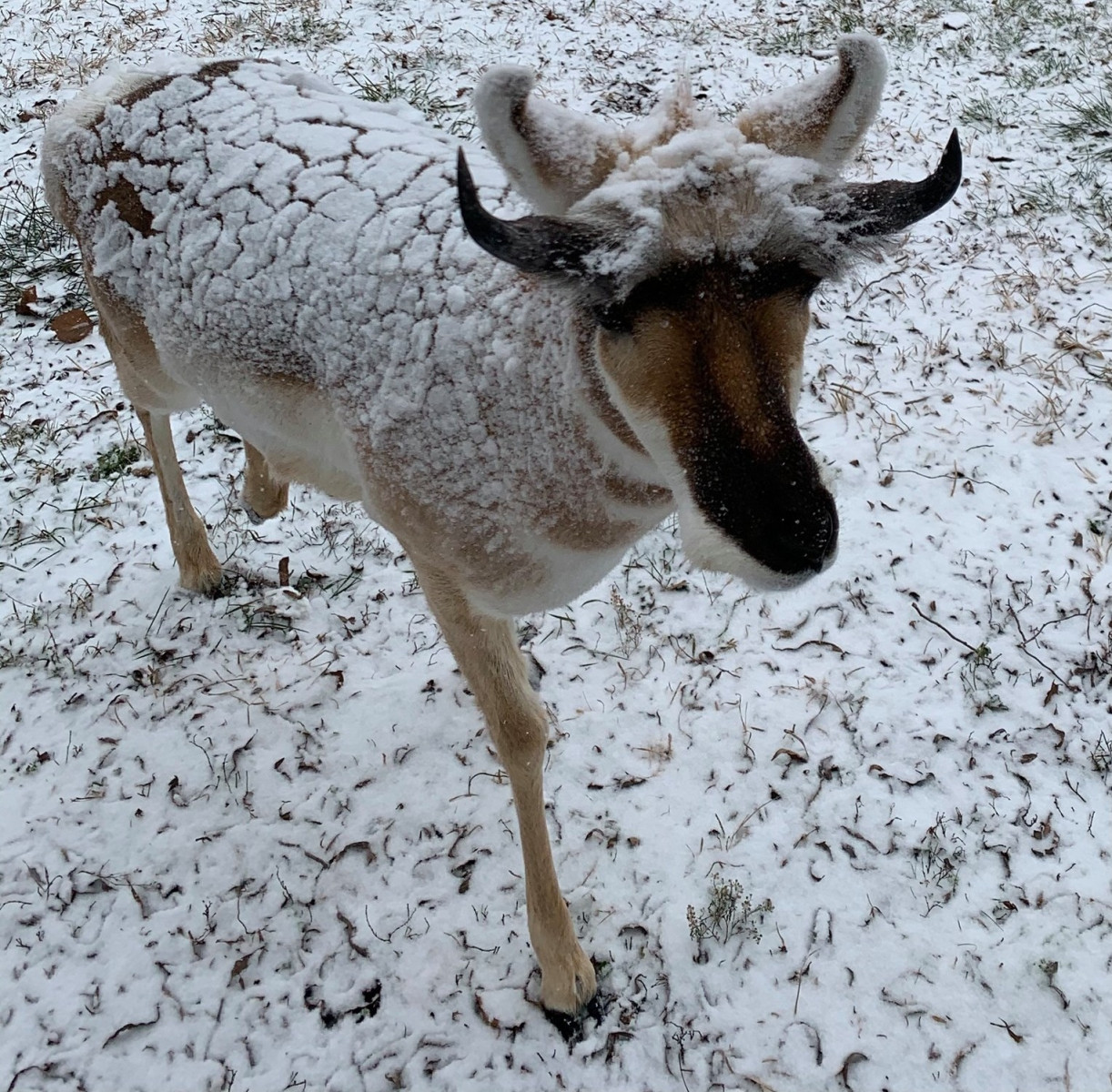
The pronghorn holds the distinct honor of undertaking the longest land migration in the continental United States. These animals, often mistakenly called antelope, navigate a challenging journey twice a year in the American West. The migration involves multiple distinct herds, each comprising approximately 400 individuals, totaling thousands of animals. Their 150-mile, one-way journey connects the wintering grounds of the Green River Basin in southwestern Wyoming with the high-elevation summer pastures inside Grand Teton National Park. The pronghorn have traversed this federally protected route, known formally as "The Path of the Pronghorn," for thousands of years.
Viewing Tip: ZooAmerica has one pronghorn, Callum. He is extremely tame and almost always visible to guests in his habitat. He will even run to greet the naturalists when he sees them approaching.
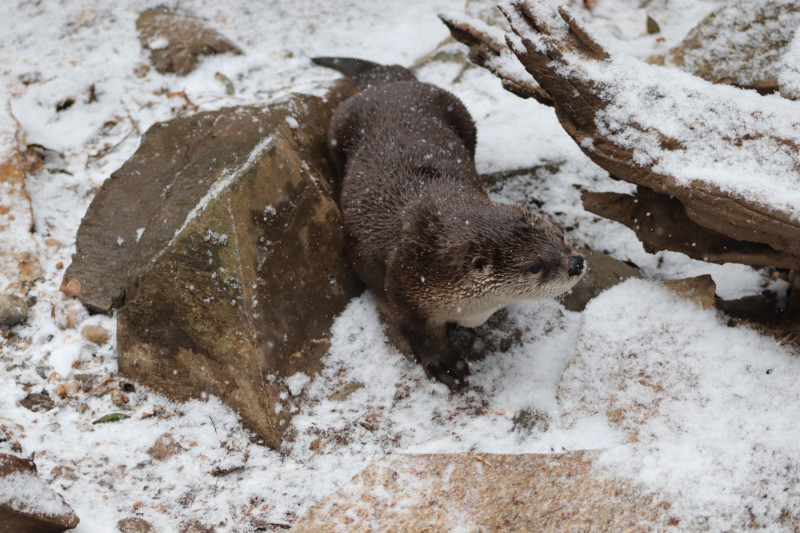
8. River otters have two layers of fur to help keep them warm.
North American river otters have a two-layered coat of specialized fur - an adaptation for thriving in cold, aquatic environments. The inner layer, known as the underfur, is incredibly short and dense. Its primary function is to act as a waterproof barrier, trapping a layer of air against the otter's skin for solid insulation. River otters also have a layer of subcutaneous fat beneath their skin, which helps them to maintain a stable internal temperature even when spending prolonged periods swimming and hunting in icy rivers and lakes.
Viewing Tip: If they aren’t playing in the water, the two river otters at ZooAmerica, Link and Iris, sometimes curl up under a log or among the rocks in their habitat.

9. Thick-billed parrots do not live in the tropics.
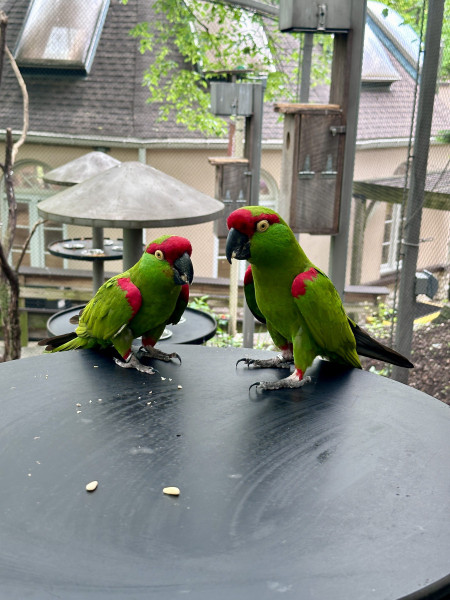
Unlike the vast majority of parrots, which thrive in the warm, humid climate of the tropics, thick-billed parrots have adapted to a far more challenging and unexpected environment: the high-elevation pine and mixed-conifer forests of the Sierra Madre Occidental in Mexico. Here, temperatures can plummet, and the landscape is often blanketed in snow during the winter months. It is this adaptation to cold, snowy conditions that has earned the thick-billed parrot its evocative and fitting nickname of the “Snow Parrot.”
Viewing Tip: Visitors to ZooAmerica should look up to see the thick-billed parrots in the Great Southwest region of the zoo. Look up! These vibrant green birds prefer to be as high as possible in their habitat. They are often perched on the nest boxes or eating at one of their food stations.

Plan a Zoo Visit
ZooAmerica tickets are available for purchase online or at the Zoo Admissions Building. Regular admission for guests ages 9-61 is $16.50 plus taxes and fees. Admission for juniors (ages 3-8) and seniors (ages 62 and above) is $14.50 plus taxes and fees. Children 2 and under are free.
Every Friday in February, regular and junior/senior admission is 50 percent off - a sweet savings!
Current ZooAmerica Pass Holders can enjoy unlimited year-round visits to the Zoo, and 2026 Hersheypark Season Pass Holders get into the Zoo for free, too.